

Introduction
 Every organization faces unexpected issues—but how you respond defines your success. When deviations from standard procedures are mismanaged or ignored, the result can be catastrophic: product recalls, regulatory fines, and irreparable brand damage.
A deviation in manufacturing refers to a temporary or unplanned departure from approved procedures, specifications, or standards during the production process. This may include variations in materials, equipment, methods, or environmental conditions that could potentially impact product quality, safety, or regulatory compliance. Deviations are typically documented through a formal process that includes root cause analysis, risk assessment, and corrective actions to prevent recurrence. Approval from relevant departments—such as Quality Assurance, Engineering, and sometimes Regulatory Affairs—is required before proceeding with or accepting a deviation. Proper documentation ensures traceability and supports continuous improvement within the manufacturing system.
This post explores why deviation management is essential, the risks of getting it wrong, and how to build a resilient system that turns failure into improvement. In fact, the genesis of this post is from some work with a customer that turned into rework, but was on the cusp of scrapping a product that takes days to produce. In this instance, an informal request was made to engineering, with an informal response: a not very committed no, we should not build this without doing some math.
What Is Deviation Management?
Deviation management is the structured process of identifying, reporting, investigating, and resolving departures from standard procedures, product specifications, or expectations within a controlled environment. It’s widely used in regulated industries, including those listed below. If you are manufacturing a product, you may have to situations where you will need deviation management.
-
Pharmaceuticals
-
Medical Devices
-
Food and Beverage
-
Aerospace
-
Automotive Manufacturing
The types and perspectives of deviations:
1. Process Deviation
-
Definition: Any variation from approved procedures or SOPs (Standard Operating Procedures).
-
Examples: skipping a step, incorrect machine settings, or using the wrong sequence of operations.
2. Material Deviation
-
Definition: Use of raw materials or components that do not meet required specifications.
-
Examples: wrong steel grade, expired chemical batch, contaminated input.
3. Equipment Deviation
-
Definition: Occurs when equipment does not function as intended or is used outside validated parameters.
-
Examples: Operating with uncalibrated tools, malfunctioning temperature controls.
4. Quality Deviation
-
Definition: Final product deviates from defined quality attributes.
-
Examples: Dimensions out of tolerance, defects like scratches, warping, or non-uniform coatings.
5. Documentation Deviation
-
Definition: Errors or inconsistencies in batch records, logs, or any official documentation.
-
Examples: Missed signatures, incorrect data entry, wrong version of a document used.
6. Environmental Deviation
-
Definition: Conditions in the production environment fall outside specified limits.
-
Examples: Improper humidity, temperature, or cleanliness in a cleanroom.
7. Human Error Deviation
-
Definition: Mistakes made by personnel during production, handling, or recording.
-
Examples: mislabeling, incorrect setup, procedural noncompliance.
 8. Design Deviation
-
Definition: Product is manufactured to a design that deviates from customer or regulatory requirements.
-
Examples: incorrect CAD drawing version, misinterpretation of specifications.
9. Supply Chain Deviation
-
Definition: Deviation originating from logistics or suppliers.
-
Examples: Delayed delivery, improper storage in transit, incorrect packing.
10. Planned Deviation
-
Definition: A pre-approved and documented deviation from a standard process for a specific reason.
-
Examples: Temporary change in materials due to supply shortage with formal approval.
11. Unplanned Deviation
-
Definition: Unexpected and unauthorized deviations detected during or after production.
-
Examples: Equipment breakdown mid-process, procedural lapses without approval.
12. Critical, Major & Minor Deviations (Classification by impact)
-
Critical: High risk to product quality or patient safety.
-
Major: Moderate risk; may not impact product quality directly but breaches regulations.
-
Minor: Low risk, such as clerical errors or non-impacting documentation issues.
Consequences of Poor Deviation Management

Ignoring or mishandling deviations leads to serious consequences, as in our example of massive rework. This is not the worst-case scenario, but from experience, a frequent outcome. Worse still is shipping a product that harms the customer, perhaps with a limited lifespan or performance that exceeds what is acceptable to the customer.
1. Regulatory Action
Agencies such as the FDA, EMA, and WHO require detailed records of all deviations. Missing or mishandled logs can result in audit findings, warning letters, and shutdowns. Alterations to the product, its materials, or its processes are part of the documentation trail.
2. Safety and Quality Risks
Uninvestigated deviations increase the risk of releasing unsafe or ineffective products into the market.
3. Financial Losses
Poor deviation management leads to rework, production delays, recalls, and litigation costs. A 2019 GMP inspection report revealed that 60% of significant observations were linked to failures in deviation documentation.
4. Erosion of Trust
When deviation incidents become public, they damage consumer trust and employee morale.
How to Improve Deviation Management
1. Establish Clear Reporting Protocols
Make it easy and safe for employees to report deviations. Include anonymous channels if needed. A reporting and tracking system for deviations is a big step toward success, a high degree of automation, and the sharing of the disposition of the proposed deviation with appropriate decision makers. Do we accept the deviation, or do we reject the deviation due to adverse quality? Clear reporting protocols include identifying those key to making an informed decision.
2. Use Root Cause Analysis (RCA)
Tech niques like the 5 Whys and Fishbone Diagrams help uncover underlying process issues. This can help with identifying the causes of the deviation. Actually, we are a fan of TQM tools to help identify the reason or reasons for the deviation. We have said this many times, but you want to learn about RCA – watch Aircraft Disasters on the Smithsonian Channel (I think).
3. Link to CAPA
Every deviation should trigger appropriate Corrective and Preventive Actions (CAPA) to ensure resolution and future prevention. Deviations are not desirable; we often accept them because we must, not because the proposed change is the best solution. If we have a deviation, we should consider what caused this as well as any compelling actions to take to make sure we do not have this sort of event happen again.
4. Leverage QMS Tools
Digital Quality Management Systems (QMS) like TrackWise, MasterControl, or Veeva automate tracking, escalation, and closure of deviations.
Creating a Culture of Compliance
The best systems fail if the culture discourages transparency. Empower your team to speak up without fear. Encourage learning over punishment. Train supervisors to spot and handle deviations constructively.
Strong deviation management is built on trust and accountability—not just forms and software.
Example Checklist
☐ All deviations are logged with a unique ID and timestamp.
☐ All deviations are time-bound with a date for when the deviation is no longer applicable.
☐ Deviation types (planned, unplanned, critical) are clearly categorized.
☐ Initial incident description is clear, factual, and complete.
☐ Impacted product batches or services are identified.
☐ Immediate containment actions are taken when necessary.
☐ Root Cause Analysis (RCA) is performed using standard tools (e.g., 5 Whys, Fishbone).
☐ Corrective and Preventive Actions (CAPA) are documented and assigned.
☐ Deviations are linked to relevant SOPs, policies, and product records.
☐ Assigned owners follow up to ensure CAPAs are implemented.
☐ Effectiveness of CAPA is verified and documented.
☐ All deviation records are audit-ready and stored in the QMS.
☐ Trend analysis is regularly conducted to identify recurring issues.
☐ Employees are trained on deviation reporting procedures.
☐ Anonymous or confidential reporting channels are available.
☐ Deviations are discussed in regular quality review meetings.
Conclusion: Turn Deviations into Improvement
Every deviation is a chance to strengthen your systems. Poor handling leads to risk; proactive response leads to resilience. Invest in smart tools, strong processes, and a learning culture.
Make deviation management a strategic advantage—not a compliance checkbox.
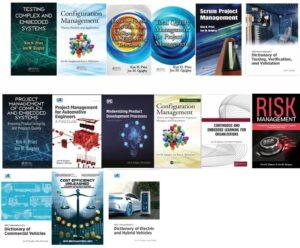

For more information, contact us:
The Value Transformation LLC store.
Follow us on social media at:
Amazon Author Central https://www.amazon.com/-/e/B002A56N5E
Follow us on LinkedIn: https://www.linkedin.com/in/jonmquigley/
https://www.linkedin.com/company/value-transformation-llc
Follow us on Google Scholar: https://scholar.google.com/citations?user=dAApL1kAAAAJ
