

Project Management
Project Management used to be add-on tasks; additional tasks to be done along with one’s job-title duties. Today, Project Management is a standalone job function with accountability, responsibilities, and many required skills. Consistent and Effective Project Management is critical for business growth.

Supply Chain Management
Projects often require purchasing of material and expertise from another organization. This requires identifying needs, making plans for fulfilling that need and working through the acquisition process along with closing out the contracts at the conclusion of the project. All of these are necessary to some degree for any outsourced material or work that is conducted on behalf of the project.
Communication Management

Distributed project teams and increasing project complexities require strong communication both written and verbal skills. Experience suggests poor communication can make coordinating the effort to achieve the project objectives. Every other management area is connected with communications management and the measure of communications efficacy is also the degree of success of the project.
Integration Management

People are not fungible, that is they are not drop-in replacements for each other but are unique sets of talent and motivation. People conducts Projects, and as such the selection of the optimum talent and motivation improves the probability of project success. To do this an understanding of the skills and talent required for this unique project is necessary. The next step is the acquisition and development of the team; building upon the existing competency and moving a collection of individuals into a true team. Building requires understanding present performance (measurements), prioritization of what attributes matter for the project, and work to increase the team member’s ability regarding the attribute.
Scope Management

Scope Management is a subset of project management required to discover and articulate the reason for the project. This is integral to the project success, but since the project success is connected to the organization or business success, these two are inextricably linked.
Quality Management
Quality Management is a subset of project management associated with planning to project to deliver the expected level of quality from both the product and project. This area encompasses planning, quality assurance, and quality control actions throughout the project lifecycle.
Financial Management

Project financial management begins when with an understanding of the business case for the project. To be effective requires accurate estimates of requirements to bring the project to a successful conclusion. Budgets created, managed, and controlled; otherwise, the business case for the project would be ruined and become a loss for the company.
Time Management

Project Time Management is a subset of project management with identifying and describing the range of work that accomplished to achieve the project scope. From this estimate are developed for the project schedule as well as metrics for success of the individual work items and to set up ways in which the schedule will be controlled.
Risk Management
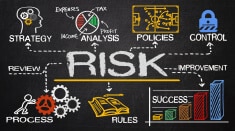
Risk Management is a subset of project management and is essential to optimizing the project toward success. Risk management is concerned with the probability and severity of events that will come to pass during our project and the measure of the ability to control these situations.
Intergration Management

Integration management consists of a set of processes that coordinates the work among the individual process areas, for example, reducing the scope to meet the financial objectives of the project. This balance is contained in project planning documents such as the charter, and how we intend to manage the project keeping this balance in mind.
Stakeholder Management

Projects involve people. All the people touched by a particular project are called Stakeholders. Examples of Stakeholders: the client, the company executives, the project team members, suppliers, and the end-users. Each Stakeholder has expectations, requirements, and visions for the project. The Project Manager has to manage each individual’s requirements as well as the group as a whole. Accurate Stakeholder Management is a critical step to Project Success.
A collection of management processes and knowledge areas that are employed by the project manager to deliver the expected results for the organization; scope, schedule, and cost. Project management is a collection of technical, management and soft skills.
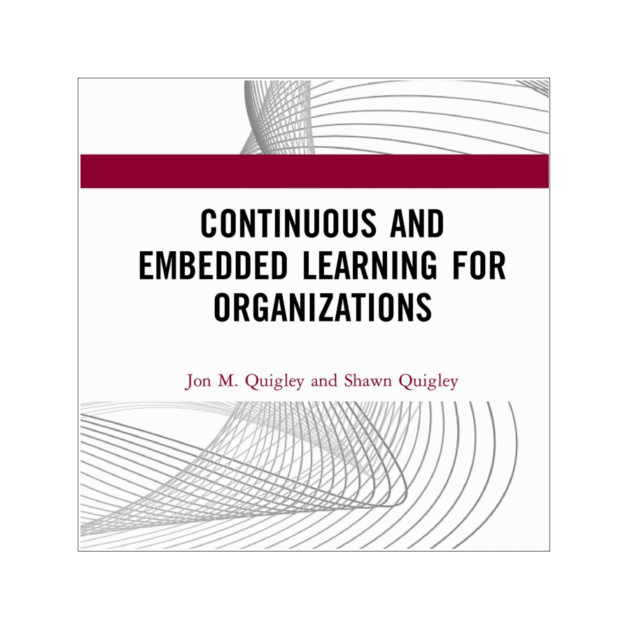
- Book excerpt: ‘Project management of complex and embedded systems’
- Media for the Mobile and Frequent Traveler
- When Words Collide
- Sunk Cost and Project Risk
- PD&D Hope is not a Productive Project Method
- PD&D Project Development and the Learning Organization
- Pannam Imaging; New Product Development Challenges
- Project Management (PMI); Systematic Risk Register
- Project Management (PMI); Project Task Duration Estimation and Scheduling
- Project Management (PMI); Project Management and the Learning Organization
- DevOps.Com; 7 Causes of Continuous Delirium
- Mavinlink; What Keeps Even the Best Project Leaders Awake at Night?
- PM2Go; Numerous blog posts.
- PD&D; Efficacy of Globalization Is Contingent on Quality of Global Teaming
- PMI Task Duration and Estimation and Scheduling
- PMI Hope Project Management
- When Words Collide – PD&D
- PMI WBS Building Blocks of Sound Project Management
- PMI Systematic Risk Register
- Smart Sheet, Statement of Work
- Journik Optimizing Project Management and Business
- Software Advice Project Management
- Risk and Project Sunk Cost
- What keeps even the best project leaders awake at night
- When Words Collide – Manufacturing.net
- 10 Best Project Management Books you Should Read in 2018 – Filestage
- Mavinlink; Opening the door: 10 predictions on the Future of Project Management
- Assorted contributions to PM2Go for the Standish Group
- Getting Started with ISO Standard for Project Management ISO 21500:2012
- What Would I Tell a Junior Project Manager?
- Thoughts on Risk Management at Learn.G2
- A Step-By-Step Process for Making the Right Business Decisions
- 50+ Warning Signs of a Bad Boss or Manager – Upjourney
- Something Matter More than Others
- What the heck is a WBS?
- Law of Diminishing Returns
- Risk, What could go wrong?
- Lean and Projects
- The Status Quo Problem
- Embracing Mistakes: Learning from Experience
- Automotive Embedded Project Management and Product Development
- Project Management and the Learning Organization
- Directed system or pull system—the schedule tango
- The Importance of Documenting Lessons Learned
- Two Sides (at Least to Every Story): Managing and Resolving Conflict
- More on Conflict Resolution
- Tools or Talent
- 6 Tips for Writing Statements of Work
- Project Management Software Recommendations by Experts
- Simplified Guide to Vendor Risk Assessment
- What does a project manager do on a daily basis?
- Intention and Follow Through
- 5 Supply Chain Tips
- Tough Conversations for Project Managers
- Simplified Guide to Vendor Risk Assessment
- 6 Mental Maladies That Could Impact Your Project
- De-scoping a project
- 15 Plus Must Have Project Management Books
- Getting asynchronous communications right
- Reward Proactive Action Over Firefighting
- Risk Management: A Principal Vendor Performance Management Benefit
- Top 6 Expert Opinions on Importance of Software Product Technical Audit
- Quigley’s Corner: Project Management for Automotive Engineers
- My Project is Out of Control
- Project Management in a Small Company
- Project Team and Cognitive Behavior
- Project Assumptions
- Risks and the Schedule
- Best Practices in Strategic Vendor Management
- Battery-Powered Vehicles are 100-year-old technology
- Risk and the Schedule
- Be Careful of Dogma on Assembly Lines
- Project Scope Reality
- Just how Green are Battery-Powered Vehicles
- Exploring Potential Consequences
- Supplier Risk Assessment
- The Project and the Contract
- Planning Forward, Looking Backward
- Danger, Danger Will Robinson
- Conflict Makes the World Go Round
- Change Management, the Series
- Change Management, the Series Two
- Change Management, the Series – Agile
- Intro to Program Management
- WBS
- Rolling Wave Planning
Uncontrolled Scope
A brief discussion between Steve Lauck and Jon M Quigley on scope failures and subsequent consequences.
Work Breakdown Structure (WBS)
This is a brief video demonstrating the use of the Work Breakdown Structure (WBS) for a project. This video shows the use of a tool called WBS Planner. The WBS is the starting point of project management and helps identify all work required to meet the project scope, as well as facilitate in discovering the talents required for the project.
Risk Using A FMEA Approach
This video demonstrates the use of the Failure Mode Effects Analysis (FMEA) applied to risk management. The tool is downloadable in the download area.
Risk Management Class
This video describes an introduction to risk management class that Value Transformation offers.
Published on Jan 29, 2019
SAE Risk through the Product Development Cycle
Sunday Lunch Project Manager- podcast: #165 Jon M Quigley, The Risky Guy (Part 2) https://podcasters.spotify.com/pod/show/sundaylunchpm/episodes/165-Jon-M-Quigley–The-Risky-Guy-Part-2-e2jlalo
Sunday Lunch Project Manager- podcast #164 Jon M Quigley, The Risky Guy (Part 1) https://podcasters.spotify.com/pod/show/sundaylunchpm/episodes/164-Jon-M-Quigley–The-Risky-Guy-Part-1-e2j93in
The Sunday Lunch Project Manager – The Risky Guy
Beyond Buzzwords – Rethinking Collaboration in Software Development and Prioritization vs. Micromanagement – Finding the Right Balance – SPaMCAST 799 with Jon M. Quigley, MS PMP CTFL
Risk and Resilience at the UMD PM Symposium
Project Management for Automotive Engineers, Jon M. Quigley
A discussion of our SAE Project Management book with Tom Cagley of SPaMCAST fame.
The Product Development Guy – Part 1
2019 Carolina Collegiate Student Chapters
[sdm_download id=”15573″ fancy=”0″]
Checklist
[sdm_download id=”15574″ fancy=”0″]
CMMI Tracking
[sdm_download id=”15558″ fancy=”0″]
Pugh Matrix
[sdm_download id=”15559″ fancy=”0″]
Expectations of Contractors & Engineers
[sdm_download id=”15570″ fancy=”0″]
How to Brainstorm
[sdm_download id=”15566″ fancy=”0″]
How to have better Meetings
[sdm_download id=”15569″ fancy=”0″]
Meeting Minutes
[sdm_download id=”15688″ fancy=”0″]
Project Estimation
[sdm_download id=”15575″ fancy=”0″]
Risk Analysis
[sdm_download id=”15552″ fancy=”0″]
Using Pareto Charts
[sdm_download id=”15560″ fancy=”0″]
Manufacturing Southeast X.0 Press release
[sdm_download id=”19680″ fancy=”0″]
SPaMCAST 477 – Silence: A Powerful Tool, Muddling Through, Monolithic Monolith
SPaMCAST 575 – Messing Up Agile Hybrids, Deming and Book Club, Essays and Discussions
SPaMCAST 479 – Mentor or Coach, TameFlow Chapter 21a, Employee Engagement
https://spamcast.libsyn.com/spamcast-479-mentor-or-coach-tameflow-chapter-21a-employee-engagement
SPaMCAST 575 – Messing Up Agile Hybrids, Deming and Book Club, Essays and Discussions
SPaMCAST 552 – Fit For Value, Saying No, Essays and Discussions
https://spamcast.libsyn.com/spamcast-552-fit-for-value-saying-no-essays-and-discussions
SPaMCAST 479 – Mentor or Coach, TameFlow Chapter 21a, Employee Engagement
https://spamcast.libsyn.com/spamcast-479-mentor-or-coach-tameflow-chapter-21a-employee-engagement
The Sunday Lunch Project Manager meets Jon M. Quigley, The Product Development Guy
Contact Value Transformation about Project Management
Error: Contact form not found.