
What Is IATF 16949 Standard?
What Is IATF 16949 Standard?
The IATF 16949 standard is the global benchmark for automotive quality management systems, built on ISO 9001 and tailored to the automotive supply chain. It defines how organizations design, develop, produce, install, and service automotive products while continually improving, preventing defects, and reducing variation and waste. Standards often get a bad name, and not undeservedly so when it boils down to marketing gimmick or checklist mentality. These standards are meant to improve an outcome; it is how we use them that determines whether they are beneficial.
We have in the past, been a resource to SAE International on the topic of IATF 16949, specifically the certification testing – question/answer adjudication. While we value certifications, the value lies in the application or the ability to apply and adapt, rather than the certification itself. We hold some certifications, but the paper is not the value.
 IATF 16949 Standard Definition And Purpose
The IATF 16949 standard is an internationally recognized automotive quality management system (QMS) specification issued by the International Automotive Task Force. Its purpose is to harmonize customer-specific requirements and create a single, consistent QMS framework for automotive manufacturers and suppliers worldwide.
The standard requires organizations to establish, implement, maintain, and continually improve a process-based QMS that is customer-focused, risk-based, and robustly controlled. This helps ensure products consistently meet customer, statutory, regulatory, and product-safety requirements throughout the automotive supply chain.
Structure of IATF 16949
High‑level structural clauses
-
Clause 1 – Scope: Defines what the IATF 16949 standard applies to in the automotive industry.
-
Clause 2 – Normative references: Points to other documents (notably ISO 9001:2015) that must be used with IATF 16949.
-
Clause 3 – Terms and definitions: Explains key automotive and quality‑management terminology used in the standard.
Core requirements clauses to mention in the blog body
-
Clause 4 – Context of the organization: Understanding internal/external issues, interested parties, and defining QMS scope.
-
Clause 5 – Leadership: Top management responsibilities, quality policy, customer focus, and organizational roles.
-
Clause 6 – Planning: Actions for risks and opportunities, quality objectives, and planning of changes.
-
Clause 7 – Support: Resources, competence, awareness, communication, and documented information.
-
Clause 8 – Operation: Operational planning and control, product requirements, design and development, purchasing, production, and nonconforming outputs.
-
Clause 9 – Performance evaluation: Monitoring, measurement, analysis, internal audit, and management review.
-
Clause 10 – Improvement: Nonconformity, corrective action, and continual improvement requirements.
Key Requirements Of IATF 16949 For Automotive Suppliers

Key requirements of the IATF 16949 standard include full alignment with ISO 9001 plus additional clauses specific to automotive risk, traceability, and defect prevention. Organizations must address areas s
uch as product safety, contingency planning, supplier development, embedded software, and enhanced control of manufacturing processes.
The standard emphasizes process-oriented thinking, documented management responsibility, clear quality objectives, effective internal audits, corrective action, and evidence-based decision making. It also requires compliance with customer-specific requirements issued by OEMs and major Tier 1 customers.
Benefits Of IATF 16949 Certification In The Automotive Industry
Certification to the IATF 16949 standard is often a prerequisite to doing business with leading automotive OEMs and Tier 1 suppliers. It demonstrates that a supplier can consistently deliver conforming products, manage risk, and respond effectively to quality issues.
Organizations see benefits such as reduced scrap and rework, fewer customer complaints, better process capability, and improved on-time delivery performance. The standard also supports integration with other systems like ISO 14001 and ISO 45001, strengthening overall operational excellence.
 How To Implement IATF 16949 In Your Quality Management System
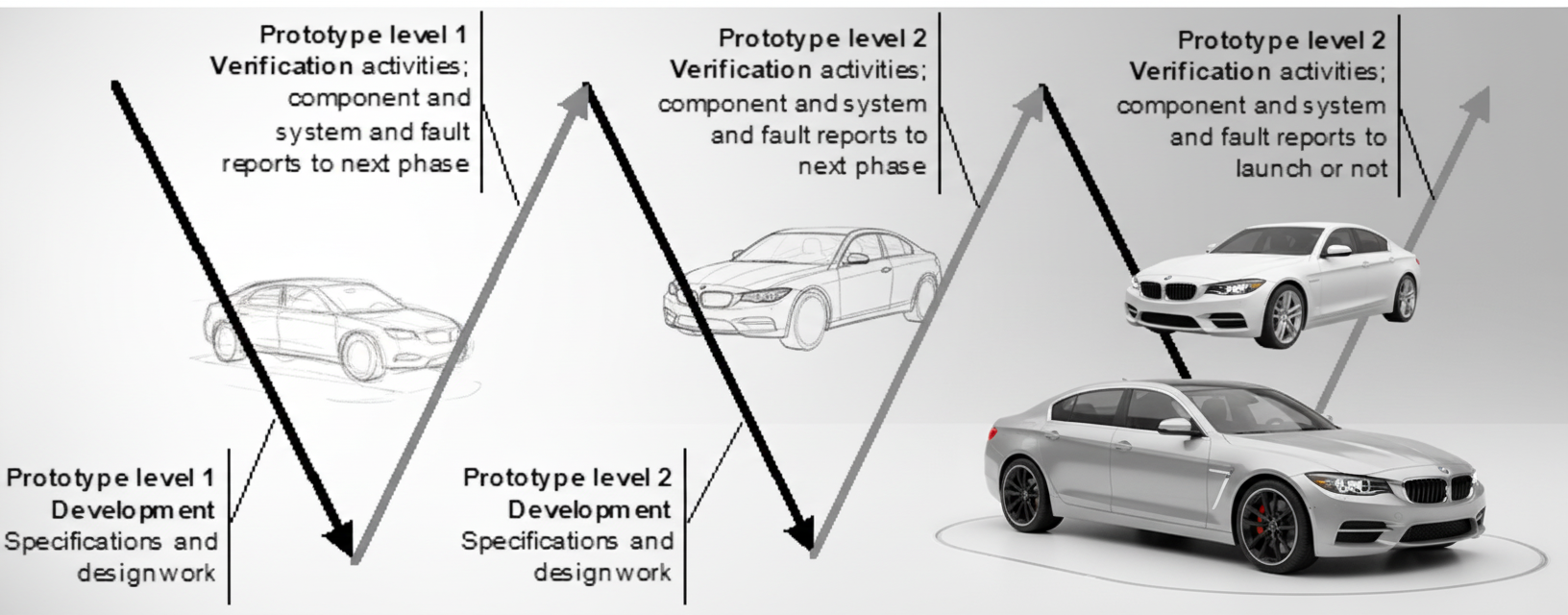
Implementation typically starts with a gap analysis against ISO 9001 and automotive-specific requirements in the iatf 16949 standard. From there, organizations define processes, map interactions, assign process owners, and build documentation such as procedures, work instructions, and control plans.
Training on core tools (APQP, FMEA, MSA, SPC, PPAP) and customer-specific requirements is essential to embed the standard into day-to-day operations. Finally, internal audits, management review, and corrective actions prepare the organization for third-party certification and continuous improvement.

For more information, contact us:
The Value Transformation LLC store.
Follow us on social media at:
Amazon Author Central https://www.amazon.com/-/e/B002A56N5E
Follow us on LinkedIn: https://www.linkedin.com/in/jonmquigley/
https://www.linkedin.com/company/value-transformation-llc
Follow us on Google Scholar: https://scholar.google.com/citations?user=dAApL1kAAAAJ
