
Product Development Chicken: A Risk in Product Development and Project Management
In many organizations, teams face a subtle but dangerous behavior known as product development chicken. This occurs when individuals delay communicating problems or risks, hoping that someone else’s issue will surface first. Instead of addressing challenges early, teams wait until the project is already in trouble.
The result is predictable: missed deadlines, increased costs, and firefighting instead of proactive management. Recognizing and preventing product development chicken is essential for effective product development, project management, and risk management.
The concept of product development chicken arises from real-world experience in complex product development environments where multiple teams must coordinate their work and communicate risks early to ensure success.
Product Development Chicken and Hidden Project Risk
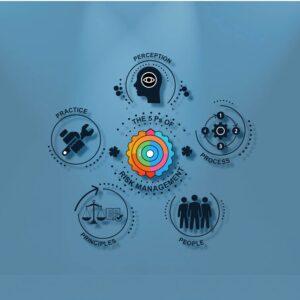
5P’s of Risk Management
Product development chicken is the behavior where team members hide or delay reporting risks that could affect the project schedule, cost, or scope. Instead of raising concerns early, individuals wait for another issue to surface first.
In many cases, people hesitate to speak up because they do not want to appear responsible for slowing the project. However, this hesitation often makes the problem far worse. What could have been addressed early becomes a crisis.
When product development chicken becomes common in an organization, the entire project environment becomes reactive rather than proactive.
Why Product Development Chicken Happens in Organizations
Several organizational dynamics encourage product development chicken.
Fear of Blame
Many professionals worry that reporting a risk will make them appear responsible for project delays.
Organizational Culture
If leadership discourages open communication, employees may hide problems rather than address them early.
Misaligned Incentives
Teams are sometimes rewarded for appearing on schedule rather than for honestly reporting risks.
These conditions make it more likely for product development chicken to appear in product development environments.
 Organizational Politics and Product Development Chicken
Organizational politics can significantly contribute to product development chicken. In politically sensitive environments, individuals may hesitate to communicate risks because doing so could challenge authority, disrupt alliances, or expose weaknesses in planning.
When reporting a problem could create conflict with senior leadership or another department, team members sometimes choose silence over transparency. This behavior reinforces product development chicken, where problems remain hidden until they can no longer be ignored.
Protecting Reputation
In politically charged organizations, individuals may fear that raising a concern will damage their reputation or credibility. Instead of openly discussing issues, they delay communication and hope the problem resolves itself or becomes someone else’s responsibility.
This dynamic increases the likelihood of product development chicken, where risks escalate before leadership becomes aware of them.
Departmental Competition
Competition between departments can also encourage product development chicken. When teams worry that acknowledging a problem may weaken their position relative to other groups, they may avoid discussing risks openly.
For example, engineering, manufacturing, and marketing teams may each hesitate to report issues that could affect launch timelines or budgets.
Leadership Signals
Leaders strongly influence whether product development chicken thrives or disappears. If leadership reacts negatively to bad news, employees quickly learn that raising risks is politically dangerous.
Conversely, leaders who reward transparency create an environment where risks are surfaced early and addressed constructively.
Reducing Political Barriers
Organizations can reduce the political drivers of product development chicken by:
-
Encouraging open discussion of risks in project reviews
-
Separating problem identification from personal blame
-
Rewarding early risk communication
-
Creating cross-functional collaboration rather than competition
When organizational politics are minimized and transparency is encouraged, teams are far more likely to address issues early rather than engage in product development chicken.
The Consequences of Product Development Chicken
Ignoring risks does not make them disappear. Instead, product development chicken creates several predictable problems:
-
Delayed product launches
-
Cost overruns
-
Poor product quality
-
Crisis-driven project management
-
Loss of stakeholder confidence
When risks remain hidden, teams cannot implement mitigation strategies early. This forces the organization into reactive decision-making.
Preventing Product Development Chicken
Organizations that want to eliminate product development chicken must focus on communication and transparency.
Encourage Early Risk Disclosure
Teams should raise concerns as soon as potential issues appear.
Use Risk Registers
Tracking risks formally helps ensure they are visible to the entire project team.
Promote Psychological Safety
Leaders should reinforce that identifying risks early is responsible behavior—not failure.
Reward Transparency
Organizations should recognize individuals who identify risks before they become crises.
When transparency becomes the norm, product development chicken disappears, and teams can solve problems collaboratively.
 Product Development Success Requires Transparency
Successful product development depends on early communication of risks, challenges, and constraints. Teams that avoid product development chicken create environments where problems are surfaced quickly and addressed effectively.
Projects rarely fail because of a single problem. Instead, failure occurs when issues remain hidden until it is too late to respond. Preventing product development chicken allows organizations to manage risk, maintain schedules, and deliver high-quality products.

For more information, contact us:
The Value Transformation LLC store.
Follow us on social media at:
Amazon Author Central https://www.amazon.com/-/e/B002A56N5E
Follow us on LinkedIn: https://www.linkedin.com/in/jonmquigley/
https://www.linkedin.com/company/value-transformation-llc
Follow us on Google Scholar: https://scholar.google.com/citations?user=dAApL1kAAAAJ
