


Automotive Project Management: Suppliers, Change & Risk
Why Automotive Project Management Requires an Integrated Approach
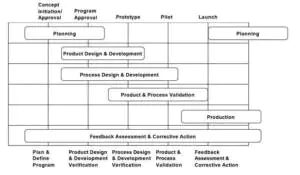
Automotive project management is about much more than maintaining a schedule, tracking a budget, or confirming that suppliers have met their contractual commitments. Today’s vehicle programs bring together manufacturers, Tier 1 and Tier 2 suppliers, engineering teams, software developers, hardware manufacturers, and production operations. Each group may use different systems, prioritize differently, and define progress in its own way.
The real challenge is bringing all those moving parts together as one integrated product that meets its requirements, performs as expected, and is ready for production when promised.
Three disciplines make the biggest difference: creating a trustworthy view of project status, managing change across organizational boundaries, and spotting supplier risks before they disrupt the schedule.
Create One Trusted View of Automotive Project Status
When vendors use different project tools, reporting systems, and document repositories, getting a clear picture of project health can be harder than it should be. One supplier may call a component complete while another is still waiting for interface specifications. Engineering may consider a design released, while manufacturing cannot move forward because tooling information is still missing.
Each report may be accurate on its own. Put together, however, those reports can create a misleading picture of the program.
Integrate Supplier Schedules, Reporting, and Project Data
The answer is a common project management framework: an integrated master schedule, consistent reporting expectations, a shared project data environment, and clear ownership of project information. Requirements, risks, issues, decisions, changes, and deliverables should all be traceable to the right owners and supporting evidence.
Vendors do not all need to use the same software. They do need common data standards and agreed reporting interfaces so you can combine their information into one authoritative view.
A dashboard is only as good as the information behind it.
Use Evidence to Validate Milestones and Forecasts
Back completed milestones with evidence. Dependencies should be visible. Forecasts should reflect a realistic view of the work that remains. Regular cross-functional reviews should resolve conflicting information and surface emerging problems.
The goal is not simply to know what each supplier has finished. It is to understand what that progress means for the program (outcome) as a whole.
Manage Engineering Changes Across the Automotive Supply Chain
Vehicles are integrated systems. Changing one component can affect another component’s design, software compatibility, tooling, testing, quality controls, or regulatory compliance.
Too often, organizations manage changes within their own boundaries. A supplier modifies a design, a software team updates a release, or an engineering group revises a requirement without fully assessing the effects on everyone else.
Those gaps may not surface until system integration, vehicle testing, production validation, or launch preparation, when options are fewer, and fixes cost far more.
Assess System-Wide Impacts Before Approving Changes
Strong change management starts early. Document every proposed change, assign an owner, and evaluate its impact on cost, schedule, performance, quality, safety, regulatory requirements, manufacturing, and system interfaces.
The review must extend beyond the group requesting the change. Before approving implementation, the team should identify affected suppliers, deliverables, dependencies, and decision-makers.
 Maintain Requirements Traceability and Configuration Control
Requirements traceability and configuration management are just as important. Teams need to connect approved requirements to the relevant designs, hardware configurations, software versions, test procedures, and verification results. Suppliers also need to know which specifications and configurations are current.
Once approved, a change must flow through the schedule, technical documentation, purchasing commitments, and acceptance criteria.
The change is not finished when the requesting group completes its work. It is finished when affected systems and interfaces have been updated, required verification is complete, and the product still meets its requirements.
The sooner the team understands a change’s full impact, the more options it has to avoid rework and schedule delays.
Identify Automotive Supplier Risks Before They Cause Delays
Supplier management should go beyond checking delivery dates and asking whether activities are on schedule. By the time a supplier officially misses a milestone, the program may have already lost valuable time responding.
Manufacturers need visibility into the work behind each supplier’s commitment.
Early in the program, the team should identify critical suppliers, long-lead materials, shared resources, technical interfaces, required approvals, and dependencies that could constrain downstream work. Link supplier schedules to the integrated master schedule so the team can see how one delay might affect other suppliers, vehicle integration, testing, or launch.
Monitor Leading Indicators of Supplier Readiness
Supplier reviews should focus on leading indicators, not just last month’s status. Useful signals include engineering-release readiness, unresolved interfaces, software-integration progress, test completion, material availability, manufacturing readiness, and open quality concerns.
Establish Accountability, Escalation, and Recovery Plans
Every significant risk should have an owner, a mitigation plan, and a clear escalation trigger. When a supplier raises a potential problem, the conversation should quickly turn to consequences, recovery options, needed decisions, and the last responsible moment to act.
Accountability depends on documented commitments and consistent follow-through. When a supplier misses a commitment, the team should understand the cause, assess downstream impacts, and agree on a credible recovery plan.
Accountability also works in both ways. Suppliers cannot meet commitments if the manufacturer has not made timely decisions, provided stable requirements, completed specifications, or secured required approvals. Effective project management looks at the full chain of dependencies instead of blaming the organization that reports the problem last.
The aim is simple: replace surprises with early warnings and replace reactive recovery with proactive risk management.
Manage System Interfaces, Not Just Project Activities
These three disciplines reinforce one another. Reliable project status depends on good supplier information. Effective management changes depend on understanding the links among requirements, designs, software, hardware, and schedules. Proactive supplier management depends on seeing how individual commitments affect the integrated program.
That is where an automotive project manager creates real value.
A program can look green at the supplier level and still be red at the vehicle level. Every vendor may be completing its assigned work while an unresolved interface, a late engineering decision, or an incompatible software release puts the final integration milestone at risk.
The project manager must see those connections, challenge overly optimistic assumptions, and make sure decisions account for their broader consequences.
That takes more than meetings, dashboards, and status reports. It takes clear ownership, disciplined documentation, controlled change, evidence-based forecasting, and a culture where teams raise problems early while there is still time to solve them.
Ultimately, successful automotive project management means coordinating a complex network of organizations, decisions, and deliverables to produce one integrated result.
Improving Automotive Project Delivery Through Early Risk Detection
The true measure of project control is not how well we explain a delay after it happens. It is how effectively we spot the conditions that could cause it and act while we still have options.

For more information, contact us:
The Value Transformation LLC store.
Follow us on social media at:
Amazon Author Central https://www.amazon.com/-/e/B002A56N5E
LinkedIn: https://www.linkedin.com/in/jonmquigley/
https://www.linkedin.com/company/value-transformation-llc
Follow us on Google Scholar: https://scholar.google.com/citations?user=dAApL1kAAAAJ
