


 Product Management vs Project Management: Roles That Must Work Together
Product management vs project management is often treated as a contest over ownership. It should not be. The two disciplines have different accountabilities, but successful organizations connect them deliberately. Product management keeps the organization focused on customer value, market need, product direction, and lifecycle results. Project management turns an approved objective into coordinated work by managing scope, schedule, resources, dependencies, risk, and delivery.
When either discipline operates alone, local optimization follows. A product manager can define an attractive destination without establishing a credible path to reach it. A project manager can deliver every committed item on time while producing something the market does not need. Neither outcome qualifies as success.
The real question is not which role is more important. It is whether product and project management are working from the same evidence, decisions, and definition of success.
Product Management Owns the Product Direction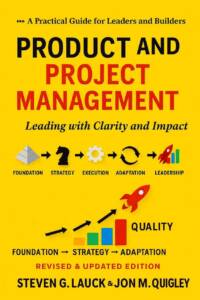
Product management begins with the market, customer, business strategy, and product lifecycle. The product manager works to understand which problems deserve investment, which customers the organization intends to serve, and how the product will create value for both the customer and the business.
That accountability commonly includes:
- customer and market understanding;
- product vision and strategy;
- value proposition and positioning;
- roadmap development and prioritization;
- business-case assumptions;
- product requirements and desired outcomes;
- lifecycle decisions; and
- measures of adoption, value, and commercial performance.
The product manager should be able to explain why the product or capability matters. That explanation must go beyond a feature list. It should connect a customer problem to a business opportunity and define the evidence that would demonstrate value.
This does not mean the product manager dictates the solution independently. Engineering, manufacturing, quality, supply chain, service, sales, and other functions contribute knowledge that can alter what is desirable or practical. Product direction improves when it is exposed to those perspectives early.
Project Management Owns the Delivery System
Project management focuses on organizing and controlling the temporary effort required to produce a defined result. The project manager converts objectives into an executable delivery system. That system must coordinate people, decisions, dependencies, timing, resources, suppliers, risks, and evidence.
Project management accountability commonly includes:
- project planning and integrated scheduling;
- scope definition and change control;
- resource and budget coordination;
- dependency and interface management;
- risk and opportunity management;
- stakeholder communication;
- supplier and cross-functional coordination;
- issue escalation and decision tracking; and
- delivery against agreed acceptance criteria.
The project manager should be able to explain how the organization will deliver the intended result, what could prevent delivery, where decisions are required, and what evidence supports the current status.
A schedule is part of that responsibility, but project management is not schedule administration. A schedule with unsupported assumptions, hidden dependencies, or unavailable resources is merely an optimistic diagram. Effective project management tests the plan’s credibility and makes uncertainty visible.
Product Management vs Project Management Is Not Strategy vs Administration
One damaging simplification casts product management as strategic and project management as administrative. That framing weakens both disciplines.
Product decisions have operational consequences. A roadmap priority can require a new supplier, test capability, manufacturing process, regulatory submission, service method, or software architecture. Product strategy that ignores those realities is incomplete.
Project decisions also have strategic consequences. A delivery sequence can determine when value reaches the customer. A resource constraint can force a choice among market opportunities. A risk response can change cost, performance, timing, or even the product concept. Project management therefore does more than record decisions; it provides evidence that improves them.
The roles are distinct, but they operate on the same system.
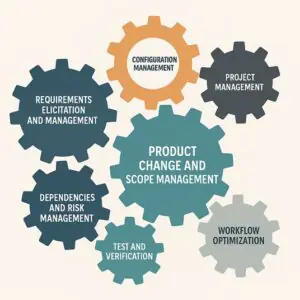 Where Product and Project Management Must Connect
Strategy Must Connect to Executable Work
A product roadmap expresses intent. It is not automatically a delivery plan. Roadmap items must be translated into defined outcomes, requirements, capabilities, dependencies, and increments of work.
This translation requires both roles. Product management protects the customer and business intent. Project management tests whether the proposed sequence is feasible with the available capacity, technology, supply base, and constraints.
Without that connection, the roadmap becomes a wish list, and the project plan becomes disconnected from strategy.
Customer Value Must Connect to Acceptance Evidence
Statements such as “improve the user experience” or “increase reliability” may express direction, but they are not sufficient for execution. Teams need measurable conditions that indicate whether value was achieved.
Product management helps define the desired customer and business outcomes. Project management ensures that the work, reviews, tests, and acceptance activities needed to produce evidence are planned and completed.
For a physical or embedded product, that connection may extend from customer needs through system requirements, design outputs, verification, manufacturing validation, launch, and field-performance monitoring. If the team cannot trace an important customer expectation to evidence, the work is not finished simply because the schedule says it is.
Scope Must Connect to Product Priorities
Projects are frequently pressured to add features, address stakeholder requests, or absorb “small” changes. Each addition consumes capacity and can introduce new interfaces, failure modes, test requirements, and schedule risk.
The product manager evaluates whether the proposed change improves the product and supports the strategy. The project manager evaluates its delivery consequences. A sound decision requires both views.
Product management without change discipline can overload the development system. Project management without product context can defend a baseline that no longer serves the customer. The objective is controlled adaptation, not rigid resistance or uncontrolled expansion.
Schedule Must Connect to Learning
Development work contains uncertainty. Early estimates often depend on assumptions about technology, customer behavior, suppliers, integration, manufacturing capability, and regulatory expectations. Treating all of those assumptions as facts does not make the plan more reliable.
Product and project managers should identify the assumptions with the greatest consequence and build short learning cycles around them. Prototypes, simulations, customer evaluations, supplier trials, design reviews, and focused tests can reduce uncertainty before the organization makes larger commitments.
Iterations are not evidence of poor planning when they are used deliberately to learn. Unplanned repetition caused by weak requirements, hidden decisions, or skipped verification is rework. The distinction matters.
Risk Must Connect to Value
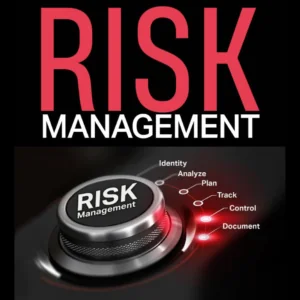 Project risk is often framed around cost and schedule, while product risk is framed around adoption, competition, usability, or market fit. Technical, quality, supply-chain, manufacturing, service, cybersecurity, and regulatory risks may cross both categories.
A shared risk view prevents gaps. It also improves prioritization. The most important risk is not always the item most likely to delay a milestone. It may be the assumption that could invalidate the value proposition or make the product unacceptable to the customer.
Risk discussions should therefore address two questions:
- What could prevent us from delivering the product as planned?
- What could allow us to deliver the plan and still fail in the market or application?
The Cost of Local Optimization
Local optimization occurs when a person, function, or metric improves its own performance while damaging the larger product system.
A product manager may push more features into a release to make the offer appear stronger. Engineering absorbs additional complexity, verification time grows, and launch risk increases. The feature count improves while the probability of a dependable release declines.
A project manager may protect a milestone by reducing test scope or moving unresolved work beyond the official project boundary. The reported schedule remains green, but risk is transferred to manufacturing, service, warranty, or the customer.
Engineering may optimize technical performance while making the design difficult to manufacture. Procurement may reduce unit price while adding lead-time, quality, or obsolescence exposure. Manufacturing may improve local efficiency by resisting product variation that customers value.
Product and project management should help the organization see these system-level tradeoffs. Their combined responsibility is not to make every functional metric look good. It is to help the business deliver sustainable customer value.
A Practical Product–Project Operating Model
Organizations do not need to erase the boundary between these roles. They need explicit decision rights, shared information, and a repeatable cadence.
Establish a Shared Definition of Success
At initiation, document the intended customer outcome, business objective, delivery constraints, acceptance evidence, and key assumptions. Don’t treat cost, schedule, scope, quality, and value as unrelated targets.
Separate Decision Rights Without Separating the Work
Define who recommends, who contributes, and who decides. Product management may own product priority and value decisions. Project management may own the integrated delivery plan and coordination process. Technical leaders own engineering judgments within their authority. Executives resolve tradeoffs that exceed the team’s delegated limits.
Clarity reduces delay, but collaboration remains necessary. Decision rights are not an excuse to ignore the people who hold relevant evidence.
Use One Integrated View of the Work
The roadmap, project plan, risk register, requirements, change records, test evidence, and financial assumptions do not need to exist in one software platform. They do need to remain connected.
When a product priority changes, the delivery and risk consequences should be visible. When a project constraint changes, the product and customer consequences should be understood. Tool integration can help, but disciplined communication and configuration control remain essential.
Review Evidence, Not Just Status Colors
Green, yellow, and red indicators can summarize conditions, but they can also hide them. Reviews should examine the evidence behind the status:
- Which assumptions have been confirmed or disproved?
- What has the team learned since the previous review?
- Which decisions are waiting, and what is their cost of delay?
- What requirements or interfaces remain unstable?
- What evidence supports technical, manufacturing, and launch readiness?
- Has the expected customer or business value changed?
This creates transparency without turning reviews into ceremonial reporting.
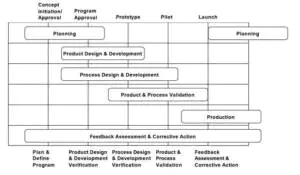
Maintain a Joint Decision and Learning Cadence
Product and project managers should meet frequently enough to address changes before they become crises. A useful cadence connects roadmap decisions, delivery status, risk, customer evidence, technical learning, and business-case changes.
The purpose is not to create another meeting. It is to shorten the time between new information and an informed response.
What Good Collaboration Looks Like
Healthy collaboration does not mean the product manager and project manager always agree. Constructive tension is useful.
The product manager may challenge a plan that delivers quickly but removes too much customer value. The project manager may challenge a roadmap that assumes unlimited capacity or ignores critical dependencies. Engineering may challenge both when the requested outcome conflicts with physical, technical, or regulatory reality.
The strongest teams make those conflicts visible and work them with evidence. They separate the person from the problem, document significant decisions, and revisit assumptions when new information emerges.
Good collaboration is visible when:
- priorities have a clear connection to customer and business value;
- commitments reflect realistic capacity and dependencies;
- changes include impact analysis;
- requirements connect to verification and acceptance evidence;
- risk includes product, project, technical, and operational perspectives;
- teams learn early enough to alter the outcome; and
- success is measured beyond project completion.
The Project Ends, but the Product Continues
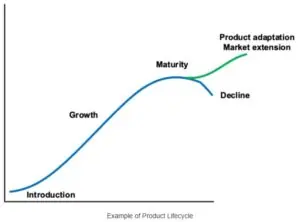 This is one of the most important distinctions in product management vs project management. A project is temporary. A product has a lifecycle.
Project closure may occur after a launch, release, installation, transfer, or other defined result. Product management continues to examine adoption, customer feedback, quality, profitability, competition, service experience, and future investment.
That does not make project results temporary or unimportant. The project establishes much of the product’s future operating reality. Decisions made under delivery pressure can influence warranty cost, maintainability, supplier dependence, technical debt, and customer trust for years.
Project closure should therefore transfer more than a deliverable. It should transfer configuration records, unresolved risks, decisions, lessons, performance baselines, and ownership for remaining actions. Otherwise, knowledge disappears at the moment it becomes most valuable.
Two Roles, One Product System
Product managers and project managers are not interchangeable, and organizations should not force one role to imitate the other. Product management maintains the connection to customer value, product strategy, and lifecycle performance. Project management creates the structure needed to deliver a defined result amid uncertainty and constraints.
Their work must converge around priorities, requirements, scope, schedule, risk, decisions, evidence, and learning. When those connections are weak, teams may optimize individual functions while the overall product suffers. When they are strong, strategy becomes executable, and delivery remains tied to value.
The objective is not a perfect roadmap or a perfect project plan. It is a product system capable of making sound decisions, learning quickly, and delivering something worthwhile.

For more information, contact us:
The Value Transformation LLC store.
Follow us on social media at:
Amazon Author Central https://www.amazon.com/-/e/B002A56N5E
Follow us on LinkedIn: https://www.linkedin.com/in/jonmquigley/
https://www.linkedin.com/company/value-transformation-llc
Follow us on Google Scholar: https://scholar.google.com/citations?user=dAApL1kAAAAJ
